Cars That Changed the World: A Global Look at Modern Mobility
The humble car, often simply defined as a motor vehicle with wheels designed primarily for transporting 1-8 people on roads, has profoundly reshaped human civilization. Far more than just a machine, the
car has been a catalyst for unprecedented societal transformation, driving economic growth, altering urban landscapes, and granting individuals a newfound sense of personal freedom and mobility. As of 2025, an astonishing 1.6 billion cars are projected to be in use worldwide, a testament to their enduring, and ever-growing, global impact. From its rudimentary beginnings to the sophisticated, connected vehicles of today, the journey of the automobile is a story of relentless innovation and human ambition.
The Genesis of Modern Mobility: From Steam to Internal Combustion
While the concept of self-propelled road vehicles dates back centuries, the practical application began with pioneering efforts like Nicolas-Joseph Cugnot’s steam-powered fardier in 1769. This lumbering machine, though not a "car" as we understand it, demonstrated the potential for mechanical locomotion. Decades later, François Isaac de Rivaz advanced the idea by designing the first internal combustion-powered automobile in 1808. However, it was the persistent genius of German inventor Carl Benz that truly brought the modern
car into existence. In 1886, Benz patented his Benz Patent-Motorwagen, a three-wheeled vehicle powered by a gasoline internal combustion engine. This was the moment the practical, marketable automobile for everyday use was born, laying the foundation for an industry that would redefine the world. It wasn't just an invention; it was a revolution in personal transport that kicked off the modern automotive era.
Democratizing the Drive: The Age of Mass Production
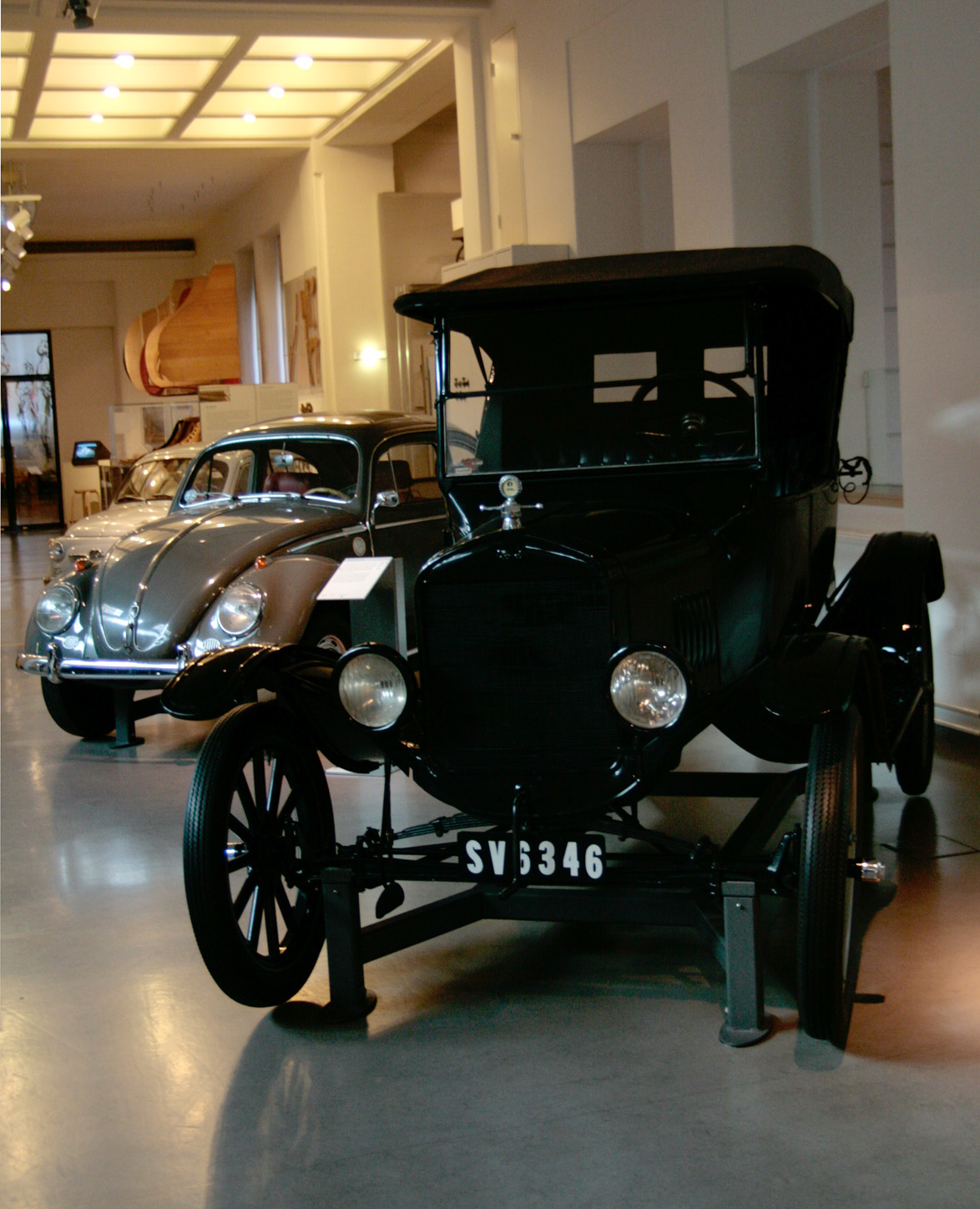
For its initial decades, the automobile remained a luxury item, largely inaccessible to the average person. This began to change in the early 20th century, particularly in the United States. The 1901 Oldsmobile Curved Dash is often cited as one of the first mass-produced cars, making vehicles more attainable for a burgeoning middle class. However, it was Henry Ford's introduction of the Model T in 1908 that truly democratized personal transportation. By pioneering assembly line techniques and significantly reducing production costs, Ford made the Model T the first truly mass-affordable
car. Its robust design, simple mechanics, and attractive price point meant that car ownership, once a privilege, became a widespread reality. This shift had profound implications:
* **Economic Expansion:** Ford's innovations fueled massive economic growth, creating countless manufacturing jobs, establishing vast supply chains, and stimulating infrastructure development.
* **Urban Transformation:** Cars supplanted horse-drawn carriages, leading to the rapid expansion of cities and the development of new road networks.
* **Social Change:** Personal mobility granted individuals unprecedented freedom to travel, commute, and explore, breaking down geographical barriers and fostering new social connections.
While the Model T rapidly transformed American society, car adoption in Europe and other parts of the world grew more slowly, gaining significant momentum only after World War II. To delve deeper into this fascinating trajectory, explore
From Benz to Billions: The Transformative History of Cars.
A Global Phenomenon: The Car's Worldwide Ascent
The post-war era witnessed a surge in demand for automobiles across continents, fueled by economic prosperity and technological advancements. The
car became a symbol of progress and a staple of modern life. In the 21st century, the growth in car usage has been nothing short of explosive, especially in newly industrialized countries like China and India. These nations are experiencing their own automotive revolutions, with urban centers expanding rapidly and personal vehicle ownership becoming an aspirational goal for millions. Today, global production exceeds 90 million motor vehicles annually, with China leading as the largest manufacturer. This global scale of production and usage underlines the car's unparalleled role in modern society, acting as a primary driver of commerce, tourism, and daily commuting worldwide.
Evolution of the Automobile: Technology, Comfort, and Safety
The journey from the Benz Patent-Motorwagen to today's sophisticated vehicles showcases a relentless march of innovation. Early cars had basic controls for driving and braking, along with essential lamps. Over the decades, vehicles have become progressively more complex, integrating a wealth of features designed for enhanced comfort, convenience, and safety.
Consider the dramatic improvements:
- Passenger Comfort: Features like air conditioning, power windows, advanced suspension systems, and plush interiors have transformed the driving experience from a utilitarian task into a comfortable journey.
- Navigation & Entertainment: Integrated navigation systems, in-car entertainment platforms, and seamless smartphone connectivity have become standard, making trips more enjoyable and efficient.
- Driving Aids: From cruise control to advanced parking assist systems and rear-reversing cameras, technology continues to simplify the act of driving.
- Safety Enhancements: Perhaps the most critical advancements have been in safety. Features like anti-lock braking systems (ABS), airbags (front, side, and curtain), electronic stability control (ESC), and crumple zones have dramatically reduced fatalities and injuries in accidents, making modern cars significantly safer than their predecessors.
Modern examples showcase this diversity: high-performance plug-in hybrids like the Bentley Flying Spur Speed offer both potent power and impressive electric range, while innovative designs like the Polestar 4 challenge traditional aesthetics with features such as the absence of a rear glass. Even entry-level models now boast sophisticated infotainment and driver-assist technologies. For an in-depth look at these advancements, including the ongoing challenges, consider reading
Modern Automobiles: Safety, Tech, and Environmental Challenges.
The Road Ahead: Future Trends and Challenges
Despite the undeniable benefits brought by the
car, its widespread adoption also presents significant challenges, particularly concerning the environment and urban sustainability. Greenhouse gas emissions from internal combustion engines contribute to climate change, while the resource depletion for battery production in electric variants raises new environmental questions.
The industry is responding with:
- Electric Vehicles (EVs): The rise of electric cars represents a major shift towards cleaner transportation, promising zero tailpipe emissions and reduced reliance on fossil fuels.
- Autonomous Driving: Self-driving technology holds the potential to revolutionize road safety, traffic flow, and accessibility, though ethical and regulatory debates continue.
- Sustainable Manufacturing: Manufacturers are increasingly focusing on eco-friendly production methods and recyclable materials to minimize their environmental footprint.
The future of mobility is likely to be a complex ecosystem of personal vehicles, shared mobility services, public transport, and integrated smart city solutions. The goal is to move towards a more sustainable, efficient, and equitable transportation system that continues to offer the benefits of personal mobility without compromising planetary health.
Conclusion
From a rudimentary steam-powered cart to the intelligent, electric vehicles of tomorrow, the
car has undergone an extraordinary evolution. It has been a powerful force for change, enabling rapid, independent travel, fostering economic prosperity, and fundamentally altering the fabric of global society. As we look towards the horizon, the automobile continues to evolve, facing new challenges related to environmental impact, urban congestion, and technological innovation. Yet, its core purpose – to provide personal freedom and facilitate movement – remains as vital as ever, ensuring that the car will continue to shape our world in profound ways for generations to come.