The modern car, a marvel of engineering and design, stands as a testament to human ingenuity. From its humble beginnings as a steam-powered contraption to today's sophisticated machines, the automobile has profoundly reshaped societies, economies, and individual lives. Defined typically as a motor vehicle with four wheels, seating one to eight people, and designed primarily for passenger transport on roads, the global fleet is projected to exceed 1.6 billion by 2025. This incredible proliferation highlights not just its utility, but also the complex interplay of safety innovations, technological advancements, and the pressing environmental challenges that define the modern automotive landscape.
The journey of the car began with pioneers like Nicolas-Joseph Cugnot's steam-powered vehicle in 1769 and François Isaac de Rivaz's internal combustion design in 1808. However, it was Carl Benz's 1886 Benz Patent-Motorwagen that truly heralded the era of the practical, marketable automobile. The 20th century saw its widespread adoption, notably in the US where the mass-produced 1901 Oldsmobile Curved Dash and the mass-affordable 1908 Ford Model T made personal mobility accessible, effectively replacing horse-drawn carriages. Post-World War II, demand surged in Europe and other regions, a trend that continues globally today, with rapidly increasing usage in industrializing nations like China and India. For a deeper dive into this fascinating journey, explore From Benz to Billions: The Transformative History of Cars.
Revolutionizing Safety: Protecting Occupants and Pedestrians
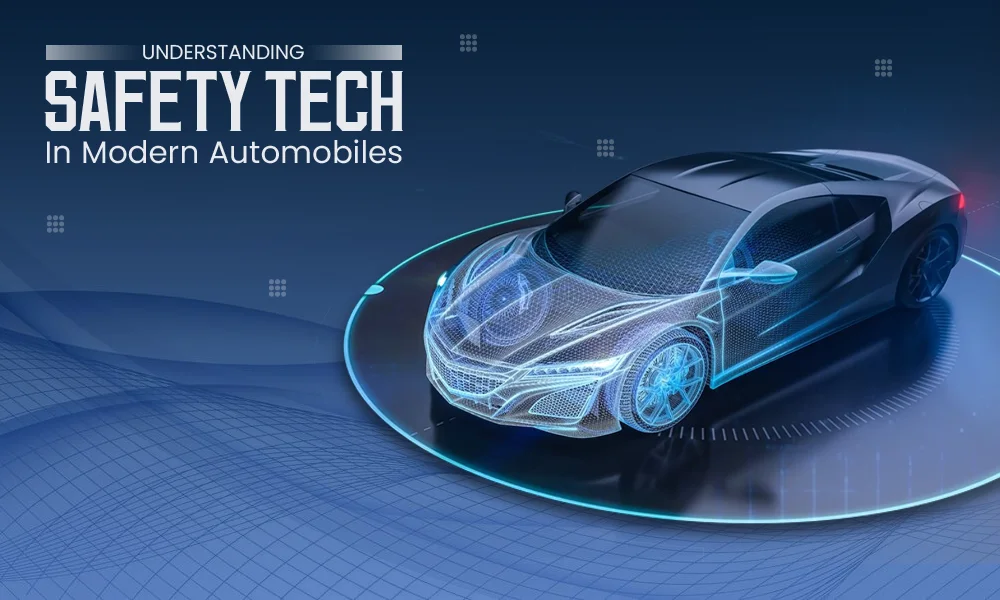
Safety has evolved from an afterthought to a core tenet of modern car design. Early vehicles offered minimal protection, but continuous innovation has led to a suite of features that significantly mitigate risks on the road. Today’s automobiles are equipped with both passive and active safety systems, working in concert to prevent accidents and minimize injury should a collision occur.
Passive Safety Features: Designed for Impact Absorption
- Airbags: Multi-point airbag systems (front, side, curtain, knee) deploy within milliseconds to cushion occupants during a crash, significantly reducing severe injuries.
- Crumple Zones: Strategically designed sections of the vehicle body that deform and absorb kinetic energy during an impact, diverting forces away from the passenger cabin.
- Reinforced Chassis and Safety Cells: The main structure surrounding occupants is built with high-strength steel and advanced materials to maintain its integrity during severe collisions.
- Seatbelts: Far beyond simple restraints, modern seatbelts incorporate pretensioners and load limiters to secure occupants firmly at the moment of impact and then release slightly to prevent excessive chest injuries.
Active Safety Features: Preventing Accidents Before They Happen
The advent of Advanced Driver-Assistance Systems (ADAS) has been a game-changer, acting as an extra set of eyes and reflexes:
- Anti-lock Braking System (ABS): Prevents wheels from locking up during hard braking, allowing the driver to maintain steering control.
- Electronic Stability Control (ESC): Detects and reduces loss of traction, helping to prevent skidding and loss of control, especially in adverse conditions or during sudden maneuvers.
- Automatic Emergency Braking (AEB): Uses sensors to detect potential frontal collisions and can automatically apply the brakes if the driver doesn't respond in time.
- Lane Keeping Assist (LKA) and Lane Departure Warning (LDW): Alert drivers when they drift out of their lane and can even provide gentle steering correction to keep the vehicle centered.
- Blind Spot Monitoring (BSM): Warns drivers of vehicles in their blind spots, particularly useful during lane changes.
- Adaptive Cruise Control (ACC): Maintains a set speed while automatically adjusting to maintain a safe following distance from the vehicle ahead.
Practical Tip: Familiarize yourself with your car's safety features. Understand how they work and, more importantly, their limitations. Regular maintenance ensures these critical systems function correctly, contributing to safer journeys for everyone.
Technological Marvels: Enhancing the Driving Experience
Beyond safety, modern cars are packed with technologies designed to enhance comfort, convenience, and connectivity, transforming the simple act of driving into an integrated digital experience. What were once luxury features are now becoming standard, making vehicles progressively more complex and intuitive.
Connectivity and Infotainment: The Digital Cockpit
The center console has evolved into a hub of information and entertainment:
- Navigation Systems: Integrated GPS mapping with real-time traffic updates makes getting to your destination easier and more efficient.
- In-Car Entertainment: Advanced sound systems, multimedia playback, and connectivity for devices ensure passengers are entertained, whether on a short commute or a long road trip.
- Smartphone Integration: Apple CarPlay and Android Auto seamlessly mirror essential phone functions like navigation, music, and messaging onto the car's display, reducing distraction.
- Voice Control: Allowing drivers to manage various functions without taking their hands off the wheel or eyes off the road.
Convenience and Comfort: A Smoother Ride
Technological advancements extend to making the driving experience more pleasant:
- Rear-Reversing Cameras and Parking Sensors: Essential for maneuvering in tight spots, these systems reduce the risk of low-speed collisions and make parking less stressful. Some vehicles even offer 360-degree cameras and automated parking assist.
- Air Conditioning and Climate Control: Sophisticated multi-zone systems maintain optimal cabin temperature, enhancing passenger comfort regardless of external conditions.
- Keyless Entry and Push-Button Start: Modern conveniences that simplify access and ignition.
- Advanced Lighting Systems: Adaptive headlights that turn with the steering wheel, automatic high beams, and LED technology improve visibility and safety during nighttime driving.
The Dawn of Autonomous Driving
Perhaps the most transformative technological frontier is autonomous driving. While fully self-driving cars are not yet mainstream, many vehicles offer features like highway driving assist and traffic jam assist, hinting at a future where vehicles can navigate without constant human input. This potential, though still under debate regarding its full implications, promises to further revolutionize personal mobility. To understand how these innovations are shaping the world, read Cars That Changed the World: A Global Look at Modern Mobility.
Environmental Challenges and the Path to Sustainability
While the car has delivered unparalleled freedom and convenience, its widespread adoption has come with significant environmental costs. Addressing these challenges is one of the most critical endeavors in the modern automotive industry.
The Impact of Internal Combustion Engines
For over a century, the internal combustion engine (ICE) has been the dominant powertrain. However, the combustion of fossil fuels in these engines is a major contributor to:
- Greenhouse Gas Emissions: Primarily carbon dioxide (CO2), which contributes to global warming and climate change.
- Air Quality Degradation: Vehicle exhaust contains pollutants like nitrogen oxides (NOx), particulate matter, and volatile organic compounds (VOCs) that contribute to smog, acid rain, and respiratory illnesses, particularly in urban areas.
- Resource Depletion: The reliance on finite fossil fuel reserves.
The Rise of Electric Vehicles (EVs) and Hybrids
In response to these concerns, the industry is rapidly shifting towards electrification:
- Electric Vehicles (EVs): Powered solely by electric motors and batteries, EVs produce zero tailpipe emissions, significantly improving urban air quality. As electricity grids increasingly rely on renewable sources, the overall carbon footprint of EVs diminishes.
- Hybrid Electric Vehicles (HEVs): Combine an ICE with an electric motor and battery, offering improved fuel economy and reduced emissions compared to conventional gasoline cars.
- Plug-in Hybrid Electric Vehicles (PHEVs): Offer a larger battery and the ability to travel a significant distance on electric power alone before the gasoline engine kicks in, providing a bridge between conventional and pure electric driving.
While EVs offer a compelling solution, they come with their own set of challenges, including the environmental impact of battery production and disposal, the need for robust charging infrastructure, and ethical concerns around raw material sourcing.
Sustainable Practices and Future Outlook
The industry is exploring beyond electrification:
- Hydrogen Fuel Cell Vehicles: Produce only water vapor as a byproduct, offering another zero-emission alternative, though infrastructure remains a hurdle.
- Lightweight Materials: Use of aluminum, carbon fiber, and advanced composites to reduce vehicle weight, thereby improving fuel efficiency for ICE vehicles and extending range for EVs.
- Eco-Driving Tips: For all drivers, practicing smooth acceleration and braking, maintaining proper tire pressure, and reducing unnecessary weight can significantly improve fuel economy and lower emissions. Choosing a smaller, more efficient car also makes a difference.
Countries like China are leading the charge in EV manufacturing, and consumers worldwide are increasingly considering the environmental footprint alongside performance and features. The Polestar 4, for instance, showcases innovative design elements that optimize aerodynamics, contributing to efficiency.
Conclusion
The modern car represents a dynamic blend of heritage and innovation. From Carl Benz's pioneering efforts to the intricate computer networks and electric powertrains of today, automobiles continue to evolve at a breathtaking pace. We've witnessed a dramatic improvement in safety, with features designed to protect occupants from every angle. Technological advancements have transformed the driving experience, making it more connected, comfortable, and intuitive. Yet, as the global fleet grows, so too do the environmental responsibilities. The ongoing shift towards electrification and the pursuit of sustainable manufacturing practices underscore a collective commitment to mitigating the ecological impact of our mobility. The road ahead for the car is not just about speed and convenience, but about forging a future where personal transportation is safe, smart, and sustainable for generations to come.