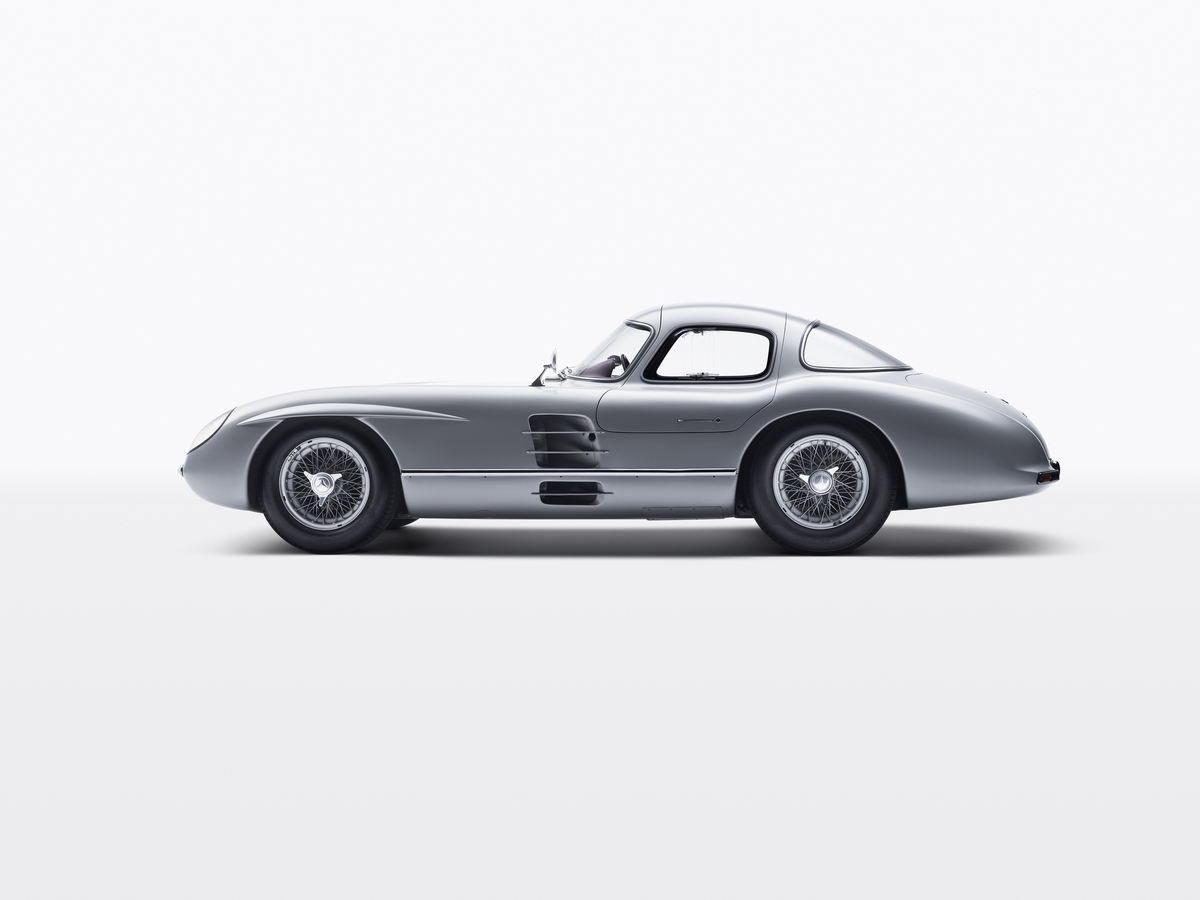
The story of the car is far more than a chronicle of mechanical engineering; it's a saga of human ingenuity, economic revolution, and societal transformation. From its rudimentary beginnings as a clunky, steam-powered contraption to the sophisticated, connected vehicles dominating our roads today, the automobile has continuously reshaped the world, fundamentally altering how we live, work, and travel. What began as an experimental curiosity has evolved into an indispensable component of modern life, with over 1.6 billion cars projected to be in use worldwide by 2025.
The Dawn of Automotive Innovation: From Steam to Internal Combustion
Defining the "first" car is a fascinating journey through centuries of mechanical ambition. While many envision the sleek, gas-powered machines of the 20th century, the lineage of the automobile stretches much further back. The true genesis of self-propelled road vehicles can be traced to the late 18th century, specifically to 1769, when French inventor Nicolas-Joseph Cugnot unveiled his pioneering steam-powered road vehicle. This three-wheeled behemoth, primarily designed for military use, was more akin to a mobile boiler than a modern car, but it laid the foundational concept of a machine propelling itself over land.
The next major leap involved a critical shift in power source. In 1808, Swiss inventor François Isaac de Rivaz engineered and constructed the first internal combustion-powered automobile. His design, which utilized hydrogen gas, was a visionary step, moving away from external combustion (steam) towards a more compact and potentially efficient power plant. However, de Rivaz's creation remained largely experimental, not quite the practical vehicle for everyday use that society would eventually demand.
The invention that truly ushered in the modern automotive era, a practical and marketable automobile, arrived in 1886. This pivotal moment is widely credited to German inventor Carl Benz, who patented his revolutionary Benz Patent-Motorwagen. This three-wheeled vehicle, powered by a gasoline internal combustion engine, wasn't just another prototype; it was the birth of the personal mobility machine as we know it. Benz’s innovation combined an efficient engine with a lightweight chassis, proving that the dream of independent, rapid land travel was finally within reach. It marked the definitive transition from experimental vehicles to viable transportation, forever changing the trajectory of human movement.
Mass Production and the Democratization of the Car
While Carl Benz invented the modern car, making it accessible to the masses was a different challenge altogether. In the early 20th century, automobiles were still luxury items, handcrafted and expensive. This began to change with the introduction of commercial cars that aimed for wider availability.
- The 1901 Oldsmobile Curved Dash: Widely regarded as the first mass-produced car in the United States, the Curved Dash demonstrated that vehicles could be manufactured on a larger scale. Its relative simplicity and affordability, for its time, allowed it to capture a significant market share and prove the viability of automotive manufacturing.
- The 1908 Ford Model T: This American icon truly revolutionized personal transportation. Henry Ford’s genius lay not just in the Model T's robust design but in his pioneering application of assembly line techniques. This innovation drastically reduced production costs and assembly time, making the Model T the first mass-affordable car. Its price dropped to a point where average working families could realistically aspire to own one, embodying Ford's vision of a car for "the great multitude."
The Model T's impact was profound. In the United States, cars were rapidly adopted, swiftly supplanting horse-drawn carriages and altering the rhythm of daily life. The availability of affordable personal transport fueled economic expansion, creating countless manufacturing jobs, establishing vast supply chains, and spurring the development of modern road infrastructure. However, the adoption curve was not uniform globally; in Europe and other parts of the world, demand for automobiles did not surge until after World War II, when economic recovery and industrial growth provided the necessary impetus. These early, revolutionary cars that truly changed the world laid the groundwork for a global automotive industry.
The Evolving Car: Technology, Comfort, and Global Growth
Over the decades, the car has undergone continuous metamorphosis, evolving from a basic means of transport into a sophisticated mobile environment. Early cars featured rudimentary controls for driving, parking, and a few basic lamps. As technology advanced and consumer expectations grew, manufacturers began integrating a plethora of features designed for enhanced safety, comfort, and convenience.
From Basic Utility to Advanced Living Spaces
The evolution of in-car technology is astonishing. What started with manual window cranks and AM radios has progressed to highly integrated systems. Modern cars are equipped with:
- Advanced Driver-Assistance Systems (ADAS): Features like rear-reversing cameras, parking assist, lane-keeping assist, and automatic emergency braking have become commonplace, significantly enhancing safety and ease of driving.
- Comfort and Convenience: Air conditioning, once a luxury, is now standard. Navigation systems have replaced paper maps, while sophisticated in-car entertainment systems (touchscreens, premium audio, connectivity) transform commutes into enjoyable experiences.
- Powertrain Innovation: The core of the car, its engine, has also seen dramatic changes. While internal combustion engines still dominate, the rise of hybrid and electric vehicles signifies a major shift. For instance, the Bentley Flying Spur Speed exemplifies modern luxury performance with a potent plug-in hybrid powertrain that offers impressive electric range alongside a rumbling V-8 soundtrack. Similarly, efficient hybrid SUVs, like those delivering 329-hp and over 30-plus-mpg, showcase how power and fuel economy can be harmoniously blended to enhance appeal.
- Design and User Experience: Car design isn't just about aesthetics; it’s about functionality and forward-thinking engineering. Vehicles like the Polestar 4 challenge conventional design with features such as the absence of a rear glass, pushing boundaries in visibility and aerodynamics. Even sporty, more affordable options, like the FX which offers a distinct character from its "hot-hatch" siblings, demonstrate a focus on diverse market segments and specific driving experiences.
Global Expansion in the 21st Century
The 21st century has witnessed an unprecedented surge in car usage, particularly in newly industrialized countries. Nations like China and India are experiencing rapid increases in vehicle ownership, driven by growing economies and an expanding middle class. This global expansion underscores the car's enduring role as a symbol of personal freedom, economic prosperity, and improved mobility.
Safety and Sustainability: Modern Challenges and Innovations
The sheer number of cars on the road, alongside their increasing capabilities, brings forth significant challenges, particularly concerning safety and environmental impact. Recognizing these issues, the automotive industry has poured vast resources into developing solutions.
- Enhanced Safety Features: Modern automobiles are designed with an array of passive and active safety features. Airbags, antilock braking systems (ABS), electronic stability control (ESC), and reinforced safety cells have drastically mitigated crash fatalities and injuries despite the rising number of vehicles. The ongoing development of ADAS further reduces the likelihood of accidents.
- Environmental Concerns: The widespread use of internal combustion engine vehicles has contributed significantly to greenhouse gas emissions and urban air quality degradation. This has spurred a global push towards cleaner transportation. While electric variants offer a solution to tailpipe emissions, they present their own set of challenges, including resource depletion for battery production and the environmental impact of electricity generation.
- Autonomous Driving Potential: The concept of self-driving cars, once science fiction, is rapidly becoming a reality. Autonomous driving technologies promise to revolutionize road safety, traffic efficiency, and personal convenience. However, they also spark intense debates regarding ethics, liability, regulatory frameworks, and job displacement.
These advancements run parallel to pressing questions regarding modern automobiles' safety, tech, and environmental challenges. The industry is in a constant state of innovation, balancing performance and luxury with the imperative for responsible manufacturing and sustainable operation.
Conclusion
From Karl Benz's initial patent to the sophisticated, connected machines navigating our roads today, the car's journey has been nothing short of transformative. It has evolved from a novel invention into a global force, driving economies, shaping urban landscapes, and profoundly impacting individual lives. As we look towards the future, the car continues to evolve, pushing boundaries in electrification, autonomy, and connectivity. While new challenges emerge, the underlying spirit of innovation that first put wheels in motion ensures that the car's remarkable legacy of transforming personal mobility will continue for generations to come, adapting to new needs and technologies while remaining a central pillar of modern society.